
FDA Says Positive Cyclospora Test Was a False Positive, But Lettuce Recall Remains
By: WNEWS247 Editorial Staff
Published: July 21, 2026
WASHINGTON, D.C. — The U.S. Food and Drug Administration (FDA) said Sunday, July 19, that a lettuce sample initially reported to contain the Cyclospora parasite was actually a false positive. Despite the testing error, the agency is keeping its recall of Taylor Farms iceberg lettuce in place while investigators continue tracing the source of a multi-state outbreak.
The recall began on July 17 after Taylor Farms de Mexico voluntarily pulled iceberg lettuce grown in central Mexico from the market. Federal investigators linked the outbreak to shredded lettuce served at Taco Bell restaurants in Michigan, Ohio, Indiana, West Virginia, and Kentucky.
A day later, the FDA announced that one lettuce sample had tested positive for Cyclospora. After further review, agency scientists determined the result was a false positive, saying the test “does not represent true amplification”, meaning the parasite was not actually confirmed in the sample.
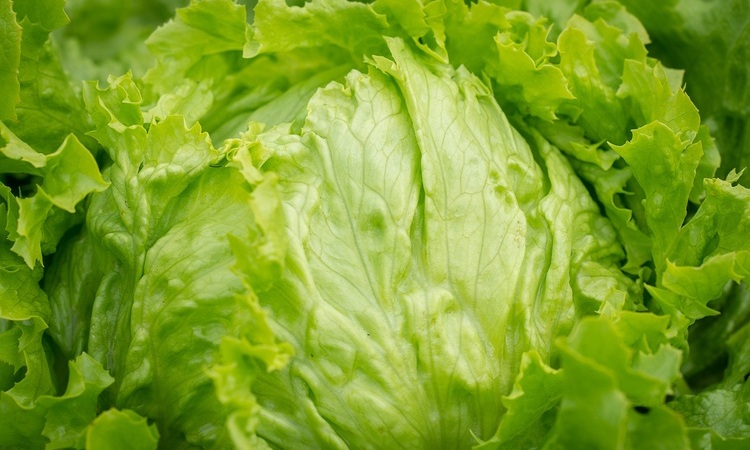
Iceberg lettuce recall remains in place despite a false-positive Cyclospora test result. (Stock photo, not official product image).
Recall continues despite testing error
Although no recalled lettuce has tested positive for Cyclospora, health officials continue to believe contaminated lettuce is the most likely source of the outbreak, based on epidemiological evidence and supply-chain tracing. Food safety experts also note that Cyclospora is notoriously difficult to detect in lab testing, meaning a negative — or false positive — result doesn’t necessarily rule out contamination.
Donald Schaffner, chair of the Department of Food Science at Rutgers University, told NBC News that recalling the lettuce was still “the right thing” to do despite the testing mistake.
Taylor Farms expands precautions
Taylor Farms (also referred to as Taylor Fresh Foods in some FDA and news statements) said the FDA apologized to the company for the false positive but emphasized that the recall itself remains unchanged.
The company said it has removed all iceberg lettuce grown in central Mexico from the market and will not source lettuce from the region for the rest of the growing season. It has also sent food safety specialists to Mexico to investigate the possible source of contamination.
Taylor Farms added that none of its own branded retail products are affected. The recalled lettuce was distributed through private-label brands and food-service suppliers, including Taco Bell, which has already removed the supplier from its national supply chain.
Products were distributed to 27 states
While confirmed illnesses have so far been traced to five states — Michigan, Ohio, Indiana, West Virginia, and Kentucky — the recalled lettuce itself was distributed more broadly. Between June 29 and July 16, it reached 27 states in total: Alabama, Arkansas, Connecticut, Florida, Georgia, Iowa, Illinois, Indiana, Kansas, Kentucky, Louisiana, Massachusetts, Maryland, Michigan, Minnesota, Missouri, Mississippi, North Carolina, New Hampshire, New Jersey, Ohio, Oklahoma, Pennsylvania, South Carolina, Tennessee, Texas, Virginia, and Wisconsin.
Marketside-brand iceberg lettuce sold at select Walmart stores in 15 of those states is also included in the recall.
What is Cyclospora?
Cyclospora is a microscopic parasite that causes an intestinal illness known as cyclosporiasis. According to the Centers for Disease Control and Prevention (CDC), symptoms usually appear about a week after exposure and commonly include watery diarrhea, fatigue, loss of appetite, stomach cramps, nausea, and weight loss.
Routine stool tests don’t always screen for Cyclospora, so people with persistent symptoms may need to specifically request testing. Left untreated, the illness can last for several weeks and may return even after symptoms temporarily improve.
Investigation remains active
The FDA and CDC investigation is ongoing, and officials say additional cases or affected states could be identified as tracing efforts continue. Consumers who purchased the recalled lettuce are advised not to eat it and should thoroughly wash or sanitize any containers, refrigerator shelves, or kitchen surfaces that came into contact with the product.
For the latest updates and full product list, see the FDA’s official outbreak investigation page.