
Trump Sets Fixed Time Limits on Student and Journalist Visas
By: WNEWS247 Editorial Staff
Published: July 21, 2026
WASHINGTON, D.C. — International students, exchange visitors, and foreign journalists working in the United States will face fixed deadlines on how long they can stay under a final rule issued by the Department of Homeland Security (DHS).
The rule eliminates “duration of status,” a decades-old policy that allowed F-visa students, J-visa exchange visitors, and I-visa journalists to remain in the United States indefinitely as long as they maintained their status. Instead of remaining without a fixed expiration date, each category will now receive a mandatory end date.
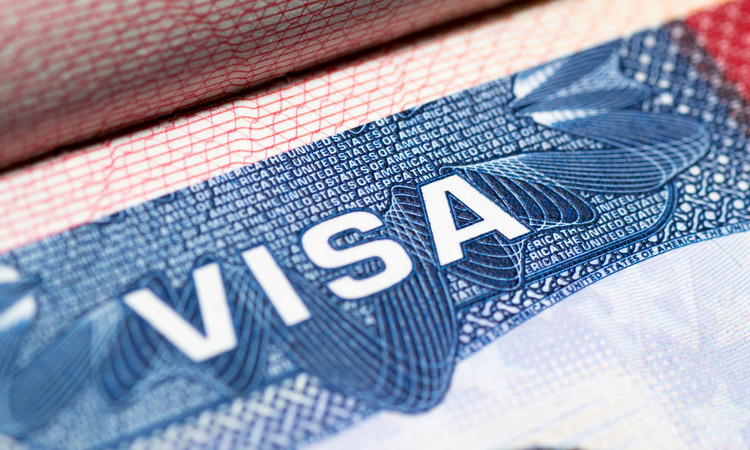
The US Department of Homeland Security (DHS) is introducing fixed duration limits for foreign student and journalist visas.
Key Visa Cap Changes
Students and Exchange Visitors (F & J Visas): Stay periods will generally be capped at four years. Students enrolled in longer programs, particularly doctoral degrees that often take nearly six years to complete, must apply for an extension, pay additional fees, or leave the country and reapply.
Foreign Journalists (I Visas): Stay periods will be limited to 240 days, replacing the previous system that allowed annual renewals for the duration of an assignment.
Journalists from China: Stay periods will be capped at 90 days, reviving a policy first proposed during the first Trump administration following disputes over the treatment of American journalists in China.
National Security vs. Administrative Strain
DHS Secretary Markwayne Mullin defended the regulation as an oversight measure, saying it ensures foreign visitors remain focused on their primary purpose and return home once their studies, assignments, or exchanges are complete.
The department has argued that eliminating “duration of status” helps prevent abuse by so-called “forever students.” However, DHS data shows the suspected in-country overstay rate for student and exchange visitors was 2.45% in 2024 among more than 1.4 million visa holders.
Universities and Press Groups Push Back
Higher education institutions and press freedom organizations have raised concerns over the rule’s practical impact:
Higher Education: More than 20,000 public comments opposed the proposal. Vanderbilt University said nearly all of its 528 international Ph.D. candidates could face educational disruption because the average doctorate takes nearly six years to complete. Oklahoma State University warned that veterinary medicine programs face similar challenges.
Press Freedom: Reporters Without Borders said the 240-day limit “destroys international journalists’ ability to report from the U.S.” and makes sustained foreign coverage significantly more difficult.
Next Steps
The rule will take effect 60 days after publication in the Federal Register. For students, scholars, and journalists already in the United States on existing visas, the new fixed-term limits will apply automatically once the regulation takes effect.