

Miami's Cost of Living Surpasses New York City for the First Time
By: WNEWS247 Editorial Staff
Published: July 24, 2026
MIAMI, Fla. — South Florida has officially lost its status as a lower-cost haven. For the first time on record, the Miami metropolitan area has surpassed greater New York City in overall cost of living, according to a Bloomberg analysis of newly released U.S. Bureau of Economic Analysis (BEA) regional price data.
The shift underscores how a post-pandemic influx of residents, skyrocketing home prices, and unprecedented insurance rates have reshaped the region into one of the nation’s most expensive urban centers.
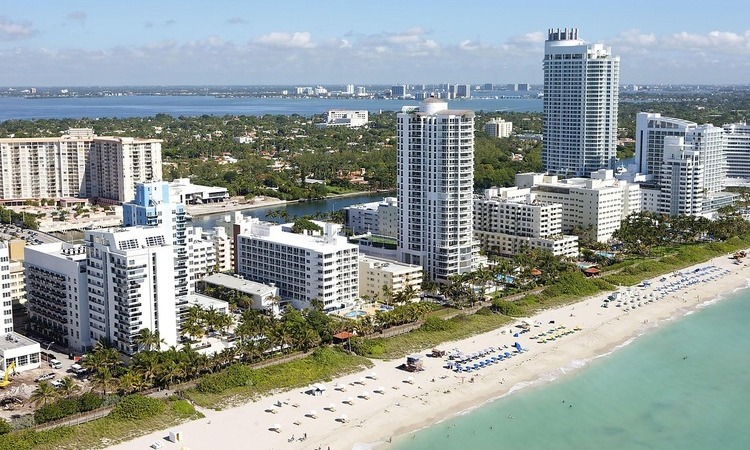
Rising housing and insurance costs have helped push Miami’s overall cost of living above New York City’s, according to a new analysis of U.S. economic data.
Housing and insurance drive the surge
While New York still commands higher per-square-foot real estate prices, total housing costs in the Miami–Fort Lauderdale–West Palm Beach metro area are now roughly 5% higher than in the greater New York tri-state region.
Several compounding factors are driving the real estate surge:
Home prices: According to the S&P CoreLogic Case-Shiller Index, South Florida residential prices have soared nearly 79% since 2020 as surging demand overwhelmed limited housing inventory.
Property taxes: Regional property taxes have jumped 62% since 2019, more than double the national average.
Insurance crisis: Homeowners insurance has become a critical pressure point. Driven by hurricane risk, climate adaptation costs, and market contraction, Florida’s average annual home premium has reached approximately $8,300, nearly four times the average cost in New York.
Everyday expenses outpace local wages
The inflationary pressure extends well beyond housing. Consumer prices in South Florida have jumped 36% since 2019—the second-highest increase among major U.S. metros, trailing only Tampa. Everyday activities have felt the squeeze; for instance, OpenTable dining data shows the average restaurant spend per person in Miami climbed to $94, compared to $79 in New York City.
Compounding the problem is a severe disconnect between living expenses and local earnings:
Income deficit: Median household income in the Miami metro remains roughly $1,000 below the national median, offering little cushion against rapid cost increases.
Eroding tax advantages: Financial planners note that while Florida’s lack of a state income tax remains an attraction, rising costs for housing, insurance, and transportation are largely wiping out those tax savings for relocating professionals.
What lies ahead
Relief may depend on legislative and market adjustments. Florida voters will head to the polls this November to decide on expanding the state’s homestead property tax exemption, which could offer modest relief for permanent resident homeowners.
However, economists emphasize that long-term affordability will hinge on whether municipal housing supply can expand quickly enough to meet demand—and whether Florida’s volatile insurance market can finally stabilize.