
Japan PM Says She Sleeps Zero to Three Hours a Night, Raising Concerns
By: WNEWS247 Editorial Staff
Published: July 23, 2026
TOKYO — Japanese Prime Minister Sanae Takaichi has sparked debate across Japan after revealing that she normally sleeps just zero to three hours a night, renewing discussion about leadership, overwork, and work-life balance in the country.
Writing on X on the evening of the Marine Day holiday on July 20, Takaichi said she had finally managed to get five hours of sleep for the first time in a while, adding that “zero to three hours” had become her usual routine since taking office.
She said she spent the three-day holiday reviewing policy documents while also catching up on household chores, including ironing and mending clothes. Takaichi noted that the prime minister’s official residence does not employ domestic staff before ending her post by saying she was ready to “work hard again” the following day.
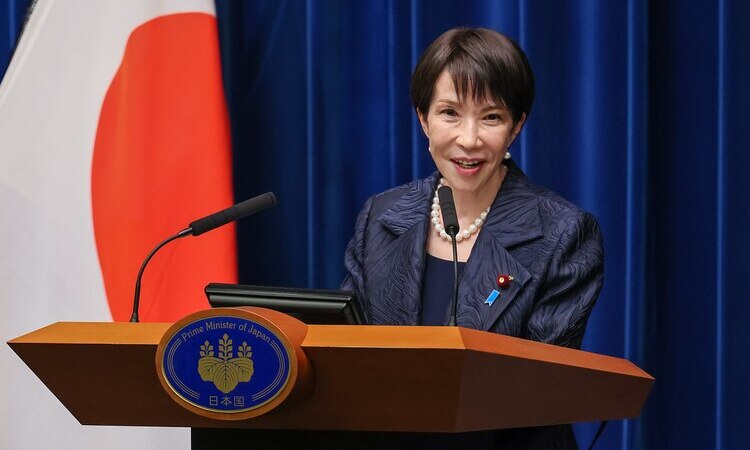
Sanae Takaichi, Prime Minister of Japan. Official portrait, 2025. Photo: Cabinet Secretariat / CC BY 4.0 (Cropped).
A demanding schedule
The comments were in line with Takaichi’s previous statements about her demanding work schedule.
After becoming Japan’s first female prime minister in October 2025, she said work-life balance would not apply to her personally, telling party members she intended to “work, work, work, work and keep on working.”
She has also told a parliamentary committee that she typically sleeps around two hours a night. Last November, she drew criticism after summoning staff to the prime minister’s official residence at 3 a.m. ahead of a budget session.
Mixed reactions
Takaichi’s latest remarks quickly drew mixed reactions. Some opposition lawmakers argued that getting enough rest is part of a leader’s responsibility and questioned whether chronic sleep deprivation could affect decision-making at the highest level of government.
Government allies defended the prime minister, with Chief Cabinet Secretary Minoru Kihara saying she understands the importance of work-life balance and is carrying out her duties in the country’s best interests.
Japan's changing work culture
The debate comes as Japan has been trying to move away from its long-hours work culture.
In recent years, the country has grappled with high-profile cases of karoshi, or death from overwork, leading to labor reforms that capped overtime hours. Last year, the Tokyo metropolitan government introduced an optional four-day workweek for its employees as part of a broader effort to reduce burnout and encourage healthier work-life balance.
Surveys have also found that younger workers increasingly value flexibility and work-life balance when choosing employers.
Debate extends beyond one politician
Analysts say the episode has become part of a broader conversation about changing attitudes toward work in Japan.
Many younger Japanese are more skeptical of the country’s long-hours culture than previous generations, while some senior political and business leaders continue to view heavy workloads as a sign of dedication and commitment.
The prime minister’s office has not issued a formal statement beyond Takaichi’s social media post and comments from cabinet officials.